Reference
How many bird species are in Ohio?
Ohio has 456 bird species on its official list (Ohio Bird Records Committee, July 2026), tied for the 26th highest count of the 49 states with a verified count. It includes extinct species such as the Passenger Pigeon, and introduced species. An earlier report, from December 2025, gave 454.
Ohio’s state bird is the Northern Cardinal: our Ohio state bird page tells how it was chosen.
Updated
What are the most common birds in Ohio?
In summer, the 25 most common birds in Ohio are led by the European Starling, at about 220 birds per survey route, then the Red-winged Blackbird and the House Sparrow, by the USGS Breeding Bird Survey’s counts for 2021–2025. Together these 25 made up 78% of all the birds counted on Ohio’s 45 survey routes.
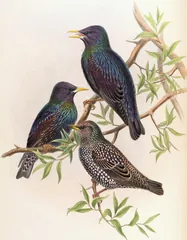
John Gould and Henry Constantine Richter, The Birds of Asia, vol. 5 (1850–83) 1 European Starlingabout 220 per routeon 100% of routesno clear trendintroduced species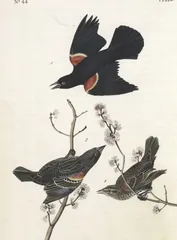
John James Audubon, The Birds of America (1840–44) about 155 per routeon 100% of routesno clear trend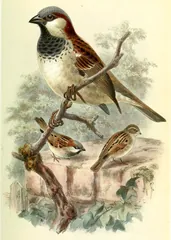
John Gerrard Keulemans, Lord Lilford’s Coloured Figures of the Birds of the British Islands (1885–97) 3 House Sparrowabout 140 per routeon 100% of routesfalling since 2015introduced species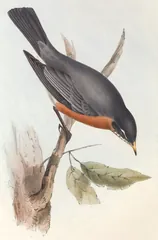
John and Elizabeth Gould, The Birds of Europe (1832–37) about 114 per routeon 100% of routesfalling since 2015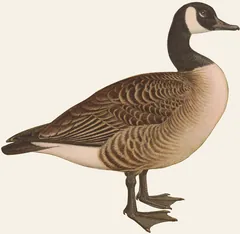
Marinus Adrianus Koekkoek, E. D. van Oort's Ornithologia Neerlandica (1922) about 85 per routeon 71% of routesno clear trend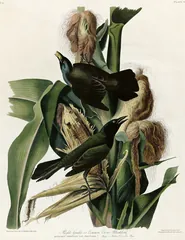
John James Audubon, The Birds of America (1827–38) 6 Common Grackleabout 58 per routeon 100% of routesfalling since 2015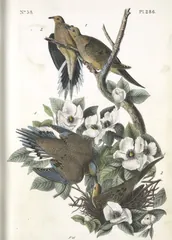
John James Audubon, The Birds of America (1840–44) about 53 per routeon 100% of routesno clear trend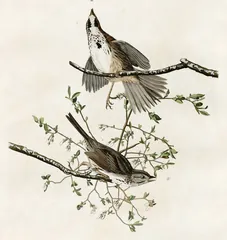
John James Audubon, The Birds of America (1827–38) about 49 per routeon 100% of routesno clear trend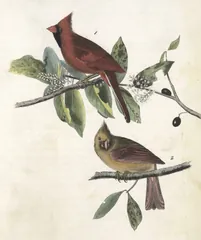
John James Audubon, The Birds of America (1840–44) about 37 per routeon 100% of routesrising since 2015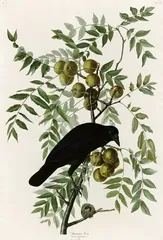
John James Audubon, The Birds of America (1827–38) about 36 per routeon 100% of routesfalling since 2015
Show all 25
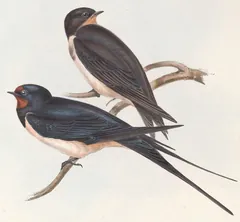
John and Elizabeth Gould, The Birds of Europe (1832–37) 11 Barn Swallowabout 29 per routeon 100% of routesno clear trend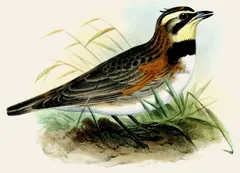
Joseph Wolf, Proceedings of the Zoological Society of London (1855) 12 Horned Larkabout 23 per routeon 67% of routesfalling since 2015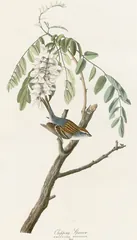
John James Audubon, The Birds of America (1827–38) 13 Chipping Sparrowabout 22 per routeon 100% of routesfalling since 2015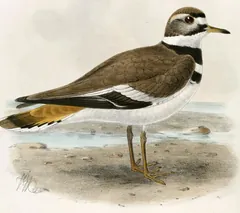
John Gerrard Keulemans, H. E. Dresser's A History of the Birds of Europe, Supplement (1895–96) 14 Killdeerabout 21 per routeon 100% of routesno clear trend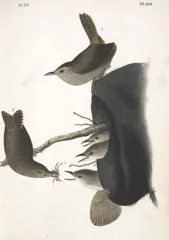
John James Audubon, The Birds of America (1840–44) 15 Northern House Wrenabout 20 per routeon 96% of routesno clear trend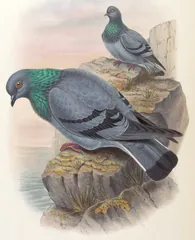
John Gould and William Matthew Hart, The Birds of Asia (1850–83) 16 Rock Pigeonabout 18 per routeon 82% of routesno clear trendintroduced species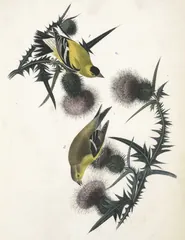
John James Audubon, The Birds of America (1840–44) about 17 per routeon 100% of routesfalling since 2015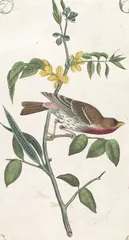
John James Audubon, The Birds of America (1840–44) 18 House Finchabout 14 per routeon 100% of routesno clear trend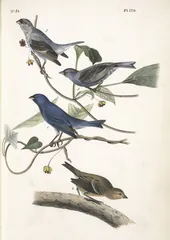
John James Audubon, The Birds of America (1840–44) 19 Indigo Buntingabout 14 per routeon 100% of routesfalling since 2015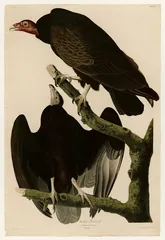
John James Audubon, The Birds of America (1827–38) about 12 per routeon 100% of routesno clear trend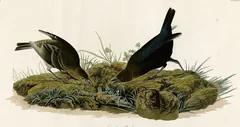
John James Audubon, The Birds of America (1827–38) 21 Brown-headed Cowbirdabout 12 per routeon 100% of routesno clear trend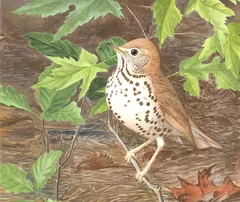
Louis Agassiz Fuertes, Annual Reports of the New York Forest, Fish and Game Commission (1901–12) 22 Wood Thrushabout 11 per routeon 89% of routesrising since 2015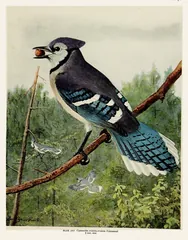
Louis Agassiz Fuertes, Elon H. Eaton's Birds of New York (1910–14) 23 Blue Jayabout 11 per routeon 100% of routesno clear trend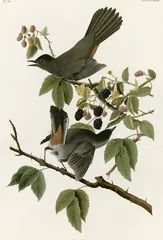
John James Audubon, The Birds of America (1827–38) 24 Gray Catbirdabout 11 per routeon 98% of routesno clear trend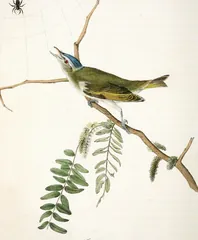
John James Audubon, The Birds of America (1840–44) 25 Red-eyed Vireoabout 10 per routeon 89% of routesno clear trend
If the European Starling, first on this list, or the Red-eyed Vireo, last on it, has you curious about the rest of Ohio’s 456 species, see our comparison of the best bird books of 2026, from the friendliest for beginners to the newest.
What is the most common bird in Ohio?
The European Starling, a bird people brought to North America, leads Ohio’s summer survey: about 220 a route on average in 2021–2025, ahead of the Red-winged Blackbird at about 155, seen on every one of the 45 routes. USGS finds no clear rise or fall in its Ohio numbers since 2015.
The European Starling, at least in winter: Ohio's Christmas Bird Counts of 2022-23 tallied 189,322 of them, far ahead of the Ring-billed Gull (75,023), Canada Goose (64,042), American Crow (49,484) and Lesser Scaup (46,872), nearly all of those scaup on the Toledo count. The starling led the winter before as well, with 219,110.
In summer the American Robin is one of the state's most abundant nesting birds, says the Division of Wildlife's guide to Ohio's common birds, which also calls the Mourning Dove one of the most abundant birds in Ohio.
Sources: The 123rd Christmas Bird Count in Ohio (National Audubon Society, January 18, 2024); Common Birds of Ohio, a field guide, Publication 5414 (Ohio Department of Natural Resources, Division of Wildlife), read October 10, 2026.
How was this list made?
Each of Ohio’s 45 routes is a roadside count, 50 stops along about 25 miles, run once a year in early summer by a volunteer. We took USGS’s yearly estimate for each species in Ohio, the number of birds a typical route records, averaged it over the five latest survey years (there was no survey in 2020) and ranked the birds by it. To keep the list to birds you’re likely to meet across Ohio, we left out species recorded on fewer than one in five of its routes, and those USGS can only estimate very roughly, which usually means big flocks or colonies on a few routes.
For Ohio that left out the Cliff Swallow.
The share of routes is our own count from USGS’s route data for Ohio, using only counts that met the survey’s standards; “rising” and “falling” are USGS’s trends for the state since 2015, named only where it finds a clear change. Roadside counts on early-summer mornings miss most of Ohio’s owls and waterbirds, and its winter visitors aren’t here at all.
Ohio’s counts come from two USGS data releases, the North American Breeding Bird Survey Analysis Results 1966–2025 (Hostetler et al., 2026) and its Dataset 1966–2025 (Ziolkowski et al., 2026), gathered by volunteer observers and free for anyone to use; Birdfolio isn’t connected with the USGS.
How many bird species are in Ohio?
| Official count | 456 species |
|---|---|
| List’s date | July 2026 |
| Kept by | Ohio Bird Records Committee (Ohio Ornithological Society) |
| Review list | 131 species (July 2026, our count) |
| Records committee since | 1981 (today's committee has voted since 1991) |
| First Ohio checklist | 1838, by Jared P. Kirtland: 222 species |
| Among US states | Tied for 26th highest of the 49 states with a verified count, alongside South Carolina |
| Official list | Official OOS Ohio Bird Checklist |
What does Ohio’s count include?
- Extinct species, such as the Passenger Pigeon.
- Introduced species, on the main list.
- Species names follow the American Ornithological Society's 2025 supplement.
Why do other sources give a different number?
Ohio's birds have been counted since 1838, and the state wildlife agency's newest total dates from 2015, so older figures turn up everywhere:
- 454. The committee's own total for December 26, 2025, on an update page it posted on April 30, 2026. Two species have joined since, for the 456 of July 2026. Source: OBRC Review List Species Updates, March 2022 to December 2025 (Ohio Ornithological Society, April 30, 2026).
- 451. The total on the society's printable field checklist (2024 revision). Six species get no tick-box there: the extinct Passenger Pigeon and Carolina Parakeet, and four no longer found in Ohio, among them the Ivory-billed Woodpecker and Bachman's Sparrow. The rest are sorted into 204 easier birds, 118 harder ones and 123 review species. Source: Ohio Birding Checklist with Difficulty Codes, 2024 revision (Ohio Ornithological Society).
- 427. The Ohio Department of Natural Resources' Birds of Ohio field checklist, with data as of October 2015, which counts only species with indisputable documentation. About 180 species nest in Ohio every year, it adds, and 212 have nested at some time. Source: Birds of Ohio Field Checklist, Publication 5363 (Ohio Department of Natural Resources, Division of Wildlife).
- 222, 344 and 387. Milestones named in that state checklist: Jared Kirtland's first checklist of Ohio birds (1838), Milton B. Trautman's 1968 list of naturally occurring species, and Bruce Peterjohn's book Birds of Ohio. In an average year, it says, one or two species join the Ohio list. Source: Birds of Ohio Field Checklist, Publication 5363 (Ohio Department of Natural Resources, Division of Wildlife).
Ohio’s list follows its own committee’s rules, and so does every other state’s: see why the counts differ from state to state.
Ohio's odder records, from a one-off warbler to Cleveland's gulls
- The Cincinnati Warbler was described from one bird collected at Madisonville on May 1, 1880, and in 1903 that specimen was still the only one known. Lynds Jones filed it as hypothetical and thought it most likely a hybrid of two other warblers, probably the Blue-winged and the Kentucky. Source: The Birds of Ohio, by Lynds Jones (1903), full text at the Internet Archive, read October 5, 2026.
- In late May 1954 three birders watching terns at Evans Lake, a reservoir south of Poland, saw a stocky tern with a heavy yellow bill that none of them knew. One sketched it on the spot and finished the drawing in watercolor; the Carnegie Museum of Natural History named it a Large-billed Tern, a bird of South America's big rivers. The 1979 write-up called it only the second known in North America, after one at Chicago in 1949. Source: Occurrence of Large-billed Tern in Ohio (American Birds 33:5, 1979), the Internet Archive's copy of June 7, 2023, read October 5, 2026.
- Ohio's first American Flamingos, an adult and a juvenile, spent the afternoon of September 1, 2023, on the public beach at Caesar Creek State Park in Warren County and flew off not long before sunset. The committee thinks Hurricane Idalia blew them north from the Yucatan Peninsula. Source: The Ohio Cardinal, Fall 2023, with the Ohio Bird Records Committee's report (Ohio Ornithological Society), read October 5, 2026.
- Over New Year 2022-23 Cleveland had two gulls new to Ohio within days of each other: a Common Gull at Wendy Park from December 30 to January 2, and a Glaucous-winged Gull on the Cuyahoga River on January 1-2. The two firsts were half of a batch of four new species that the committee itself called unusually high. Source: The Ohio Cardinal, Fall 2022, with the Ohio Bird Records Committee's report of February 2023 (Ohio Ornithological Society), read October 5, 2026.
- The 2015 state checklist printed 20 species seen in neighboring states but never in Ohio, under the heading Wishful Thinking. By July 2026, 12 of them were on the official list, Roseate Tern, Sage Thrasher and Virginia's Warbler among them (our comparison of the two lists). Sources: Birds of Ohio Field Checklist, Publication 5363 (Ohio Department of Natural Resources, Division of Wildlife); Official Ohio Ornithological Society Bird Checklist (Ohio Ornithological Society), read October 5, 2026.
Questions people ask about Ohio’s birds
What is the rarest bird in Ohio?
The rarest are the birds with a single Ohio record: the state's field checklist counted 39 of them as of October 2015, among them the Eurasian Woodcock, Ross's Gull, the Brambling and the Large-billed Tern. It listed 4 more species as extinct and 3 as no longer found in Ohio, though they live elsewhere.
Among nesting birds, the Northern Bobwhite has become hard to find: no Christmas Bird Count in the state reported one in 2022-23, and only one count found a Ruffed Grouse.
Sources: Birds of Ohio Field Checklist, Publication 5363 (Ohio Department of Natural Resources, Division of Wildlife); The 123rd Christmas Bird Count in Ohio (National Audubon Society, January 18, 2024), read October 10, 2026.
What are common birds in Ohio?
The Division of Wildlife's guide to Ohio's common birds calls the Downy Woodpecker the state's most common woodpecker and a frequent visitor to yards and feeders, the Red-tailed Hawk probably the most common hawk, often seen perched along highways, and the American Crow one of Ohio's most common birds, now part of the suburbs too. The Red-eyed Vireo is one of the most common nesting birds of the state's deciduous forests.
All 11 Ohio woodpeckers, from the Downy at the feeder to the Red-headeds of Killdeer Plains
Source: Common Birds of Ohio, a field guide, Publication 5414 (Ohio Department of Natural Resources, Division of Wildlife), read October 10, 2026.
Which state has the most species of birds?
California, with 696 species on its official checklist of September 8, 2026, leads Texas, with 682 (our table), and Ohio's committee counted 456 in July 2026, against the 222 species on Jared Kirtland's first checklist of Ohio birds in 1838.
Sources: Official California Checklist, updated 8 September 2026 (California Bird Records Committee); Birds of Ohio Field Checklist, Publication 5363 (Ohio Department of Natural Resources, Division of Wildlife), read October 10, 2026.
What is Ohio's state bird?
The Northern Cardinal, Ohio's state bird since 1933, when the legislature voted it in. Six other states share it, the Division of Wildlife notes, and it is one of Ohio's most common birds, one virtually everyone knows; cardinals sing all year, and theirs is one of the few species whose females sing too, on occasion.
Why the cardinal is Ohio's state bird, and the giant cardinal at the Ohio State Fair
Sources: The Ohio State Bird (Ohio History Central, Ohio History Connection), the Internet Archive's copy of December 27, 2023; Meet Pete (Ohio Senate), the Internet Archive's copy of June 30, 2026; Common Birds of Ohio, a field guide, Publication 5414 (Ohio Department of Natural Resources, Division of Wildlife), read October 11, 2026.
What is the biggest bird in Ohio?
The Trumpeter Swan, the Division of Wildlife says: the largest native waterfowl in North America, a male can weigh 23 pounds, stand four feet tall and spread wings of nearly seven feet. Hunting wiped swans out of Ohio in the early 1700s; the state began bringing them back in 1996, and a 2023 survey estimated 896, with breeding pairs in 26 counties.
The American White Pelican, a western bird increasingly routine on Ohio's waters, has longer wings, nine feet across, though it weighs less, up to 16.5 pounds. The Wild Turkey, gone from Ohio by 1904 and brought back from 1956, is the largest upland game bird, three to four feet tall and up to 24 pounds.
Sources: Waterbirds of Ohio, a field guide, Publication 418 (Ohio Department of Natural Resources, Division of Wildlife); Ohio Swan Management Plan (Ohio Department of Natural Resources, Division of Wildlife); Trumpeter Swan Population Status 2023 (Ohio Department of Natural Resources, Division of Wildlife, November 2023); Wild Turkey (Ohio Department of Natural Resources), the Internet Archive's copy of May 21, 2022; Common Birds of Ohio, a field guide, Publication 5414 (Ohio Department of Natural Resources, Division of Wildlife), read October 11, 2026.
What bird sings at night in Ohio?
The Eastern Whip-poor-will is the best known: strictly nocturnal, a bird at fever pitch may sing 59 times a minute and has been known to go a thousand songs without stopping, the Division of Wildlife says. Northern Mockingbirds often sing at night too, usually unmated males, and Black-billed Cuckoos frequently call after dark.
Owls fill in the rest. Of Ohio's 12 recorded owl species, the Great Horned Owl's hoots carry half a mile or more on a still night, and the Barred Owl, the likely caller if you hear an owl in the middle of the night, asks who cooks for you; Eastern Screech-Owls don't screech but give quavering whistles. In migration, Killdeer call as they fly over in the dark.
Sources: Common Birds of Ohio, a field guide, Publication 5414 (Ohio Department of Natural Resources, Division of Wildlife); Owls of Ohio, a field guide, Publication 5423 (Ohio Department of Natural Resources, Division of Wildlife); Barred Owl (Ohio Department of Natural Resources), the Internet Archive's copy of July 16, 2025, read October 11, 2026.
Which birds live in Ohio?
Birds of the Lake Erie shore and its marshes, of farm country and the grasslands planted on old strip mines, and of the wooded hills of the south and southeast. Among the specialties are the Henslow's Sparrow of the reclaimed grasslands and the Cerulean Warbler of the southern forests, and the Bald Eagle, which in 2025 was found nesting in 87 of Ohio's 88 counties.
Lake Erie marshes: at Ottawa National Wildlife Refuge, Canada Geese and Trumpeter Swans nest on muskrat lodges each spring, wading birds from the colonies on West Sister Island feed in the marshes, and Bald Eagles raise their young. Lake Erie and other big waters hold the most eagles: the 2025 census counted 964 active nests in the state, 112 of them in Ottawa County alone, up 36 percent from 707 in 2020.
Reclaimed grasslands: Woodbury Wildlife Area, at 19,050 acres the state's largest, is best known for grasslands on reclaimed mine land, where Henslow's, Grasshopper and Savannah Sparrows, Bobolinks and Dickcissels nest, and Short-eared Owls and other birds of prey hunt. Crown City Wildlife Area, the southernmost of these grasslands, adds Blue Grosbeaks and Prairie Warblers, and The Wilds, a conservation center, is recognized by National Audubon as an Important Bird Area and by the state as important for its grassland birds.
Southern forests: Shawnee State Forest, the largest state forest at 60,000 acres of hardwoods with hemlocks in the deeper hollows, is the place for Cerulean, Worm-eating, Kentucky, Hooded and Yellow-throated Warblers and the Louisiana Waterthrush, best from mid-April to mid-May.
Sources: Species, Ottawa National Wildlife Refuge (U.S. Fish and Wildlife Service), the Internet Archive's copy of July 18, 2026; America's National Bird Thriving in the Buckeye State (Ohio Department of Natural Resources, July 2025), the Internet Archive's copy of July 21, 2025; Birding at Woodbury Wildlife Area (Ohio Ornithological Society); Birding at Crown City Wildlife Area (Ohio Ornithological Society); Birds at The Wilds (The Wilds); Birding at Shawnee State Forest (Ohio Ornithological Society), read October 10, 2026.
Why is Magee Marsh called the Warbler Capital of the World?
Because of where it sits. The Magee Marsh boardwalk runs through about 7 acres of woods on a beach ridge between Lake Erie and the marshes, and songbirds heading north in spring often pause there just before crossing the lake, so the woods can swarm with migrants. At the peak of migration, says The Biggest Week in American Birding, the festival Black Swamp Bird Observatory runs in the area, 26 or more warbler species at eye level in a day is not unusual. The festival bills its corner of northwest Ohio as the Warbler Capital of the World.
The marsh became public land in 1951, when the state bought 1,800 acres of it, and the Ohio Division of Wildlife's boardwalk was dedicated on April 30, 1989. Black Swamp Bird Observatory moved its headquarters to the old ranger's residence at the marsh entrance in 2006 and began the festival in 2010. The state's trail map calls the boardwalk the premier place to see warblers and other songbirds in spring and fall migration.
Sources: Birding Locations (The Biggest Week in American Birding, Black Swamp Bird Observatory); A Brief History of Magee Marsh (Black Swamp Bird Observatory); Magee Marsh Wildlife Area trail map, points of interest (Ohio Department of Natural Resources), read October 5, 2026.
Where did the last Passenger Pigeon and the last Carolina Parakeet die?
Both at the Cincinnati Zoo. Martha, the last Passenger Pigeon, died there on September 1, 1914, aged 29, from a species that once numbered 3 to 5 billion; her body went to the Smithsonian. Incas, the last known Carolina Parakeet, died at the zoo on February 21, 1918. The zoo had bought him and 15 other parakeets in 1885 for $40, hoping to save the species, and promised his body to the Smithsonian, but it never arrived.
Ohio has a claim on the wild pigeon's end too. On March 24, 1900, a boy shot a lone Passenger Pigeon near Sargents in Pike County, the only authentic Ohio record in twenty years according to a 1903 book. The woman who mounted it ran short of glass eyes and used a black shoe button, so the bird became Buttons. The Ohio History Connection, which keeps it, says Buttons was long called the last wild Passenger Pigeon, though credible reports of two later specimens have since come to light. Both species stay on Ohio's official list.
Sources: Marking the Centennial of Extinction, June 23, 2014 (Smithsonian Institution), the Internet Archive's copy of December 25, 2022; The Last Member of This Bird Species Died in Captivity on This Day in 1918 (Smithsonian Magazine, February 21, 2025); The Birds of Ohio, vol. 2, by William Leon Dawson (1903), full text at the Internet Archive; I Vacuumed a Passenger Pigeon Today (Ohio History Connection); Official Ohio Ornithological Society Bird Checklist (Ohio Ornithological Society), read October 5, 2026.
Why is Kirtland's Warbler named after a man from Cleveland?
The first one known to science was shot near Cleveland on May 13, 1851, and Spencer F. Baird, describing the new species the next year, dedicated it to Dr. Jared P. Kirtland of Cleveland, a man to whom, he wrote, science owed more than to anyone living for its knowledge of the Mississippi Valley's natural history. Kirtland had also written the first checklist of Ohio's birds, in 1838.
In 1903 Ohio still held more Kirtland's Warbler specimens than any other state: Lynds Jones listed Ohio specimens from 1851 to 1902, from Cleveland and Oberlin to Cincinnati and Ironton, and warned that Michigan was fast approaching Ohio's numbers. Today it is a rarity in Ohio. The state's Magee Marsh trail map names it among the rarities found on the wooded beach of the Crane Creek Estuary Trail.
Sources: Description of a new Species of Sylvicola, by S. F. Baird (Annals of the Lyceum of Natural History of New-York 5, 1852), full text at the Internet Archive; The Birds of Ohio, by Lynds Jones (1903), full text at the Internet Archive; Birds of Ohio Field Checklist, Publication 5363 (Ohio Department of Natural Resources, Division of Wildlife); Magee Marsh Wildlife Area trail map, points of interest (Ohio Department of Natural Resources), read October 5, 2026.
Where is the official Ohio bird list, and how often is it updated?
On the Ohio Ornithological Society's website, as a web page: the Official OOS Ohio Bird Checklist, with 456 species as of July 2026 and names through the American Ornithological Society's 66th supplement (August 2025). Between printed editions the committee posts updates on its review species; the latest, posted April 30, 2026, runs from March 2022 to December 2025.
The Ohio Bird Records Committee has nine voting members, eight elected for staggered three-year terms plus a secretary, and it judges the documentation, not the sighting itself. A record needs eight or nine votes to pass; four or fewer reject it, and five to seven send it round again. Decisions appear in The Ohio Cardinal, the state's journal of bird records since its first, typewritten issue covered spring 1978. The 131 review species are broadly those averaging fewer than one Ohio record a year over the latest ten years, and the list changes at the committee's annual meeting. Ohio has had a records committee since 1981.
Sources: Official Ohio Ornithological Society Bird Checklist (Ohio Ornithological Society); OBRC Review List Species Updates, March 2022 to December 2025 (Ohio Ornithological Society, April 30, 2026); Ohio Bird Records Committee (Ohio Ornithological Society); Bylaws of the Ohio Bird Records Committee, September 2022 (Ohio Ornithological Society); The Ohio Cardinal (Ohio Ornithological Society); The Ohio Cardinal, Summer 2022 (Ohio Ornithological Society); Rare Bird Review List, current as of July 2026 (Ohio Ornithological Society), read October 5, 2026.
How do you count your own Ohio list?
Your Ohio list is every species you’ve seen in Ohio. eBird can filter your life list to Ohio, and your eBird data download gives the state of every sighting. On paper, count the species you’ve seen in Ohio; what is a life list? explains how birders keep their lists.
To print your whole list, Ohio birds and all, see how to print your bird life list, or let Birdfolio make it a hardcover book.
Ohio’s state bird
Ohio’s state bird is the Northern Cardinal (officially, the “cardinal”), the state bird since 1933. Its story, the state flower and animal, and a free picture card for a report are on our Ohio state bird page.
Birding festivals in Ohio
Our birding festivals calendar lists 3 in Ohio, with dates from each festival’s own website:
- The Biggest Week in American Birding, Northwest Ohio (Oak Harbor area): May 7–16, 2027
- Birds in the Hills Festival, Hocking Hills (Camp Oty'Okwa): dates not announced yet; expected in May 2027 (2026 festival: May 1–3, 2026)
- Headlands Birding Festival, Mentor: September 17–19, 2027
Christmas Bird Count in Ohio
Ohio had 72 Christmas Bird Count circles on Audubon’s map last winter, each counted on a single day between December 14 and January 5. Our guide shows where to find Ohio’s counts and how to join one; it’s free, and beginners are welcome.
More about bird counts
- How many bird species are in each state: Ohio beside all 50 states, DC and Canada.
- Bird lists of nearby states: Indiana, Kentucky, Michigan, Pennsylvania and West Virginia.
- State birds of all 50 states, Ohio’s Northern Cardinal among them
- How many bird species are in the US and Canada
- Bird splits and lumps
If you’re shopping for a birder in Ohio, our gift guide for birders and our pick of coffee table bird books are good places to start.