Free bird personality quiz
Bird Personality Quiz: Which Bird Are You?
This bird personality quiz asks 10 light questions, from how you spend a Saturday morning to what you do at a busy party, and matches you to one of 14 real North American birds. Your result shows the bird's classic painting and what the real bird does, from the Blue Jay's hawk impression to the Sandhill Crane's dance, each fact checked against National Audubon's guide, the National Park Service or the Smithsonian's National Zoo.
Updated . About two minutes, nothing to sign up for.
Take the bird personality quiz
10 quick questions. Pick the answer closest to you: there are no wrong ones, and your answers stay on this screen.
The 14 birds and what they’re really like
Every result is a real North American bird, shown in a classic painting from our library, the same pictures our books print. The first line is the fun part, about you; the rest is about the bird, each line checked against the page linked after it.
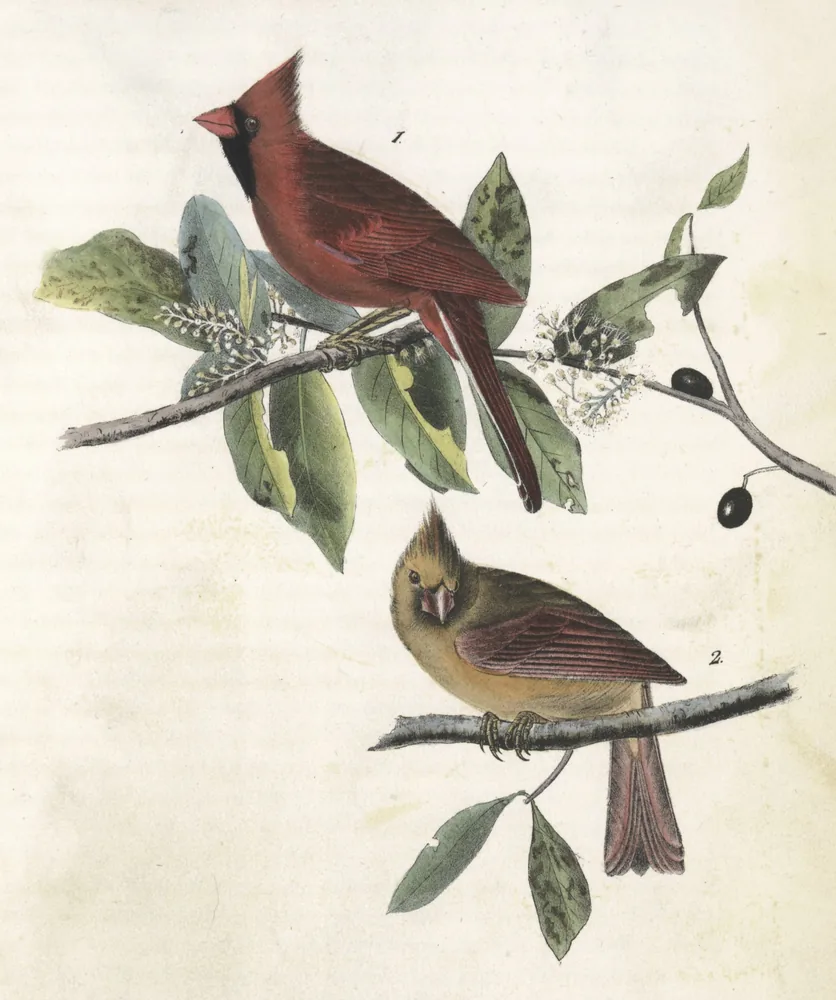
Northern Cardinal: the loyal homebody
You love your own corner of the world and the people in it, and you're happiest close to home.
Northern Cardinals don't migrate: National Audubon's guide calls them permanent residents throughout their range. (National Audubon Society)
A pair may stay together through the winter, and the two often sing back and forth, each matching the other's song, says the Pennsylvania Game Commission. (Pennsylvania Game Commission)
Northern Cardinal painting and facts · Painting: John James Audubon, The Birds of America (1840–44)
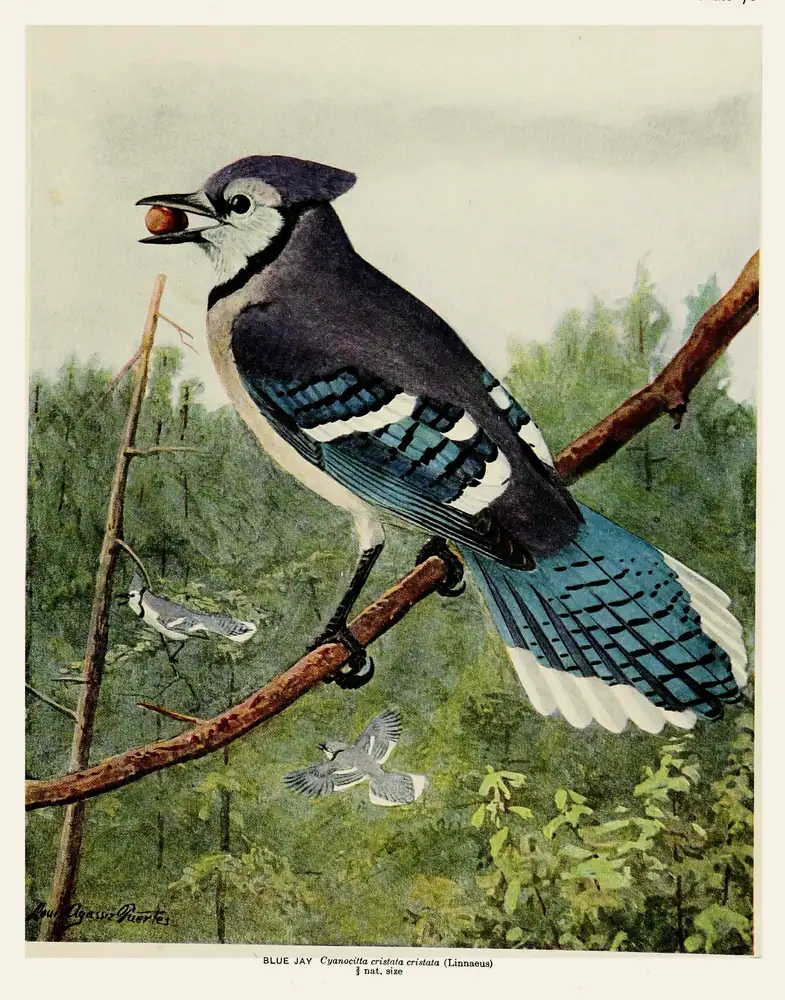
Blue Jay: the quick-witted talker
You're quick, bold and never short of something to say, and you always plan ahead.
Blue Jays make all kinds of calls, and one is almost identical to the scream of a Red-shouldered Hawk, says National Audubon's guide. (National Audubon Society)
They harvest acorns and store them in holes in the ground, and they're quick to take advantage of a bird feeder. (National Audubon Society)
Blue Jay painting and facts · Painting: Louis Agassiz Fuertes, Elon H. Eaton's Birds of New York (1910–14)
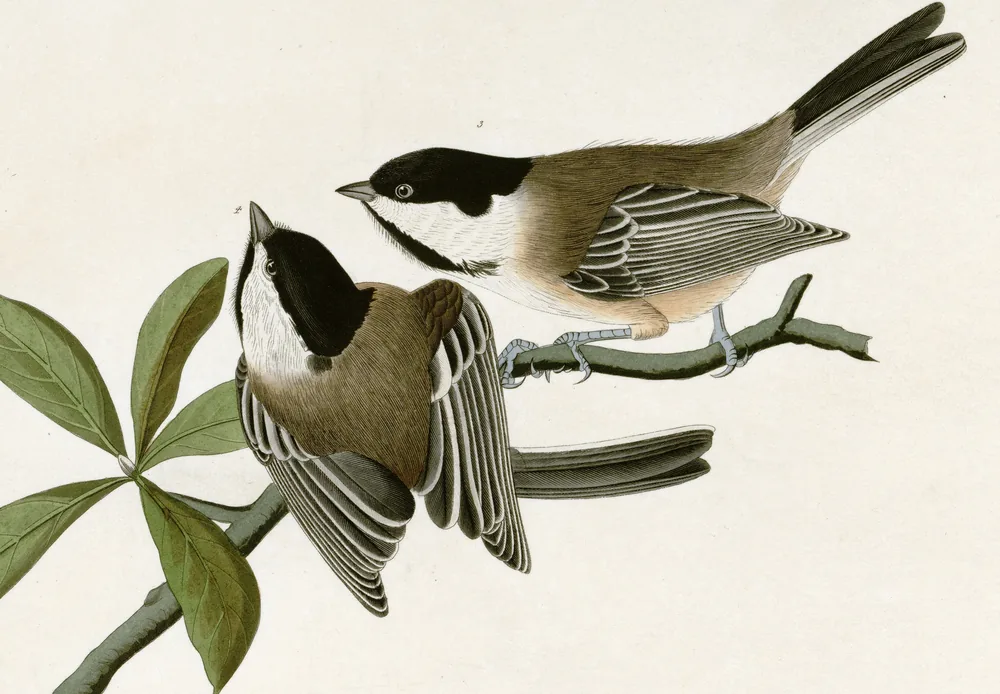
Black-capped Chickadee: the cheerful planner
You're friendly, organized and braver than you look, and people feel safer with you around.
Chickadees hide seeds to eat later and can remember thousands of separate hiding places, says the Smithsonian's National Zoo. (Smithsonian's National Zoo and Conservation Biology Institute)
Other songbirds tag along with chickadee flocks and listen for their alarm calls, and generally, the more “dee” notes in a call, the bigger the threat. (Smithsonian's National Zoo and Conservation Biology Institute)
Black-capped Chickadee painting and facts · Painting: John James Audubon, The Birds of America (1827–38)
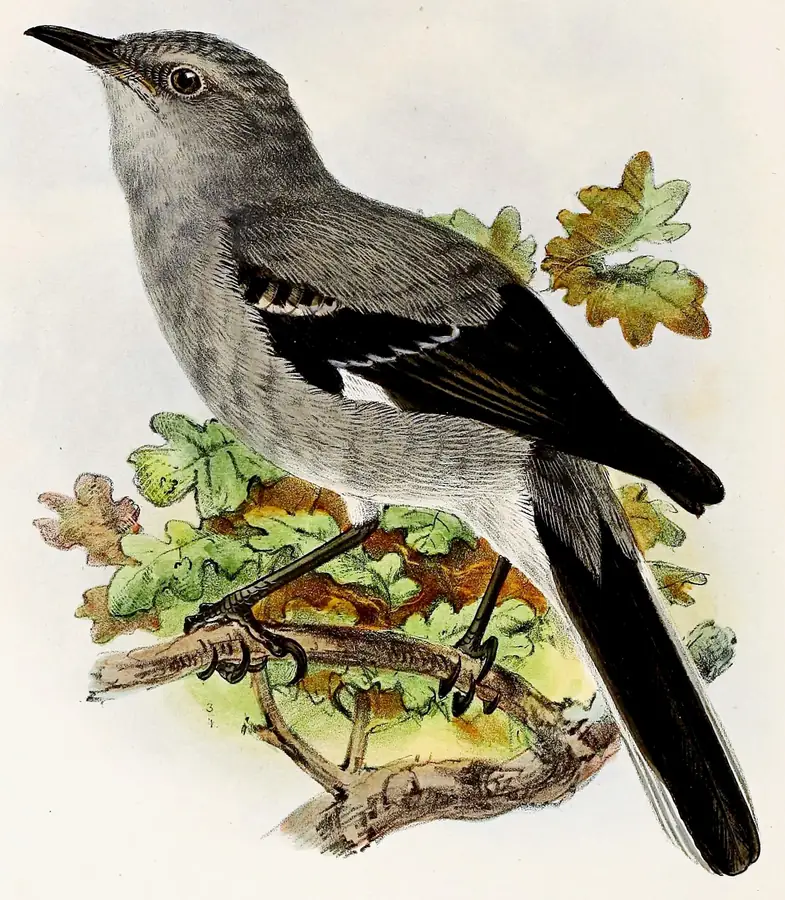
Northern Mockingbird: the showstopper
You're the entertainer in any room, with a story or an impression for every occasion, and fiercely protective of your own.
A male mockingbird may learn around 200 songs in his life, borrowing from other birds and sometimes from frogs, dogs or a car horn, says the Smithsonian's National Zoo. (Smithsonian's National Zoo and Conservation Biology Institute)
Mockingbirds regularly sing at night, and they defend their nests boldly, attacking cats and even people who come too close, notes National Audubon's guide. (National Audubon Society)
Northern Mockingbird painting and facts · Painting: John Gerrard Keulemans, Onze Vogels in Huis en Tuin (1869–76)
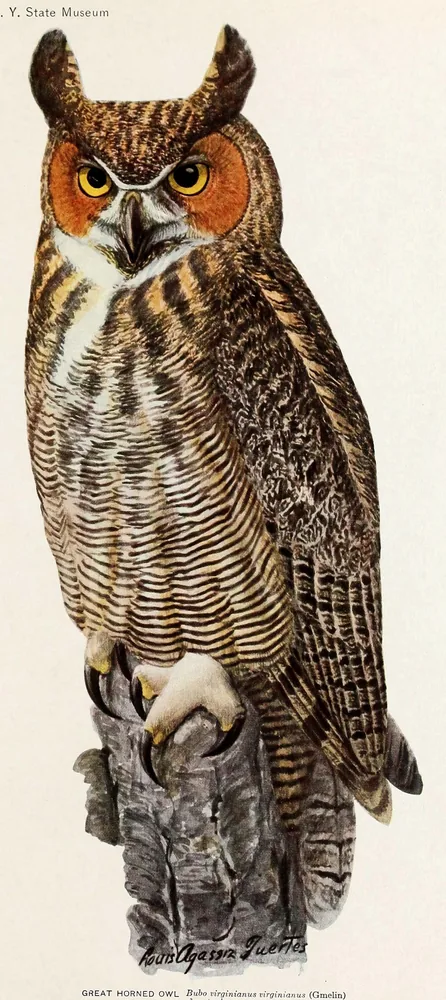
Great Horned Owl: the calm night owl
You come alive after dark, you stay calm when others fuss, and cold weather doesn't slow you down.
The Great Horned Owl hunts mostly at night, sometimes at dusk, says National Audubon's guide. (National Audubon Society)
In the north it may start nesting very early, in late winter, typically in an old nest another big bird built, such as a hawk's, a crow's or a heron's. (National Audubon Society)
Great Horned Owl painting and facts · Painting: Louis Agassiz Fuertes, Elon H. Eaton's Birds of New York (1910–14)
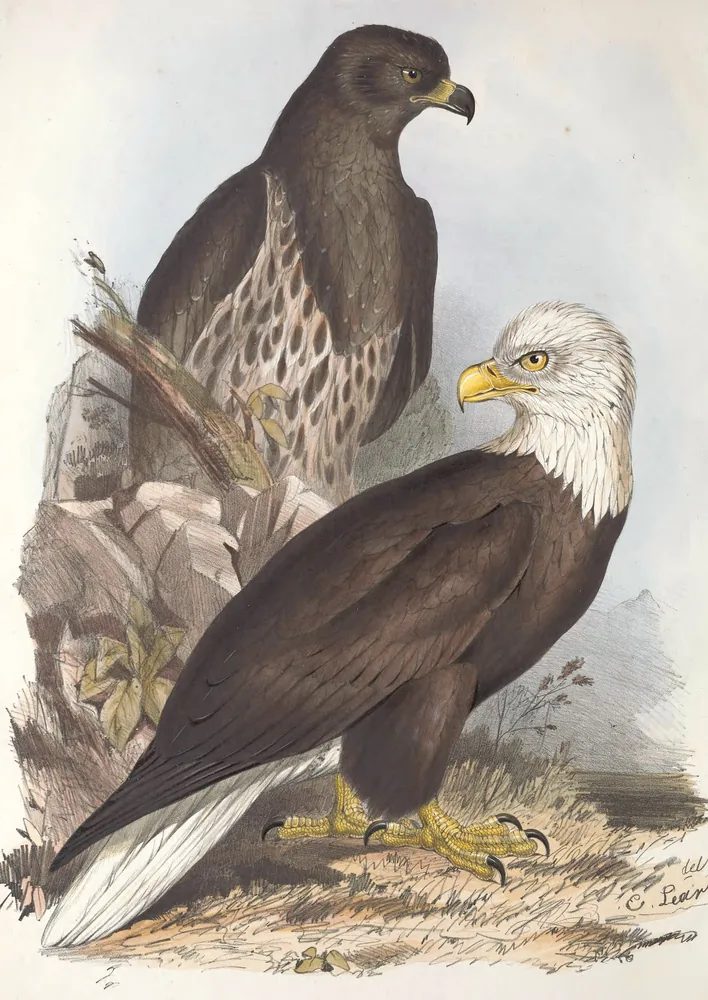
Bald Eagle: the steady builder
You're in it for the long haul: one partner, one home, and you keep making it better.
Unless a mate dies, Bald Eagle pairs mate for life, says National Audubon's guide. (National Audubon Society)
Their nest is one of the largest of any bird: a pair may reuse it and add to it for years, and one can reach 2 metric tons (about 4,400 pounds). (National Audubon Society)
Bald Eagle painting and facts · Painting: Edward Lear, John Gould's The Birds of Europe (1832–37)
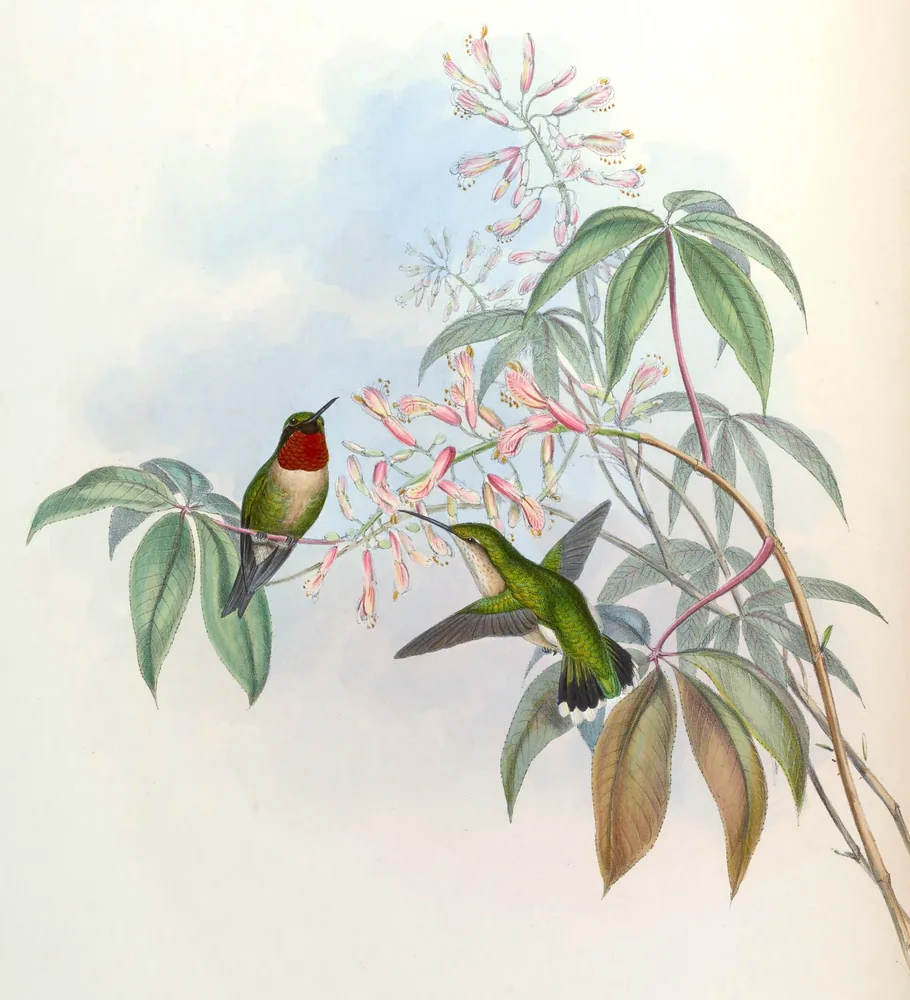
Ruby-throated Hummingbird: the pocket-sized adventurer
Small, fearless and always on the go, you'd pick a big adventure over a quiet weekend.
To cross the Gulf of Mexico, a 500-mile flight of 18 to 20 hours, a Ruby-throated Hummingbird bulks up to almost double its weight, says the National Park Service. (National Park Service)
It weighs less than a nickel when it sets off in spring, yet it chases other kinds of birds away from the sapsucker holes where it drinks sap. (National Park Service)
Ruby-throated Hummingbird painting and facts · Painting: John Gould, A Monograph of the Trochilidae (1849–61)
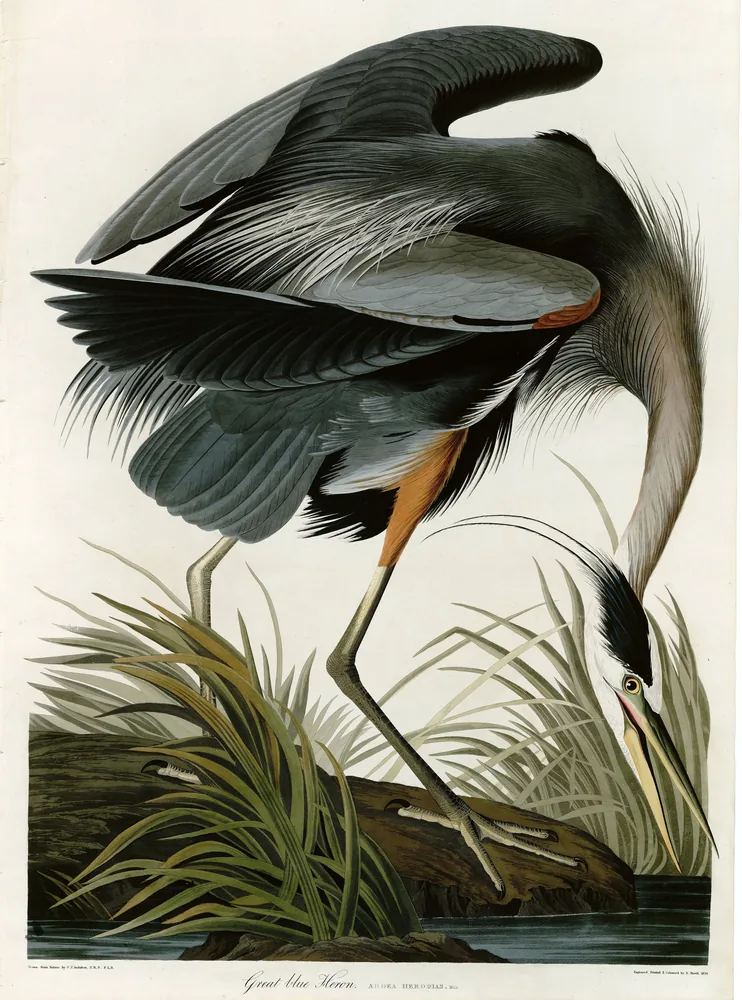
Great Blue Heron: the patient one
You're calm and patient, and you know good things come to those who wait.
A Great Blue Heron hunts mostly by standing still or walking very slowly in shallow water, waiting for a fish to swim near, then striking with a quick thrust of its bill, says National Audubon's guide. (National Audubon Society)
It's highly adaptable too: with its varied diet, it can spend the winter farther north than most herons, even where most waters freeze. (National Audubon Society)
Great Blue Heron painting and facts · Painting: John James Audubon, The Birds of America (1827–38)
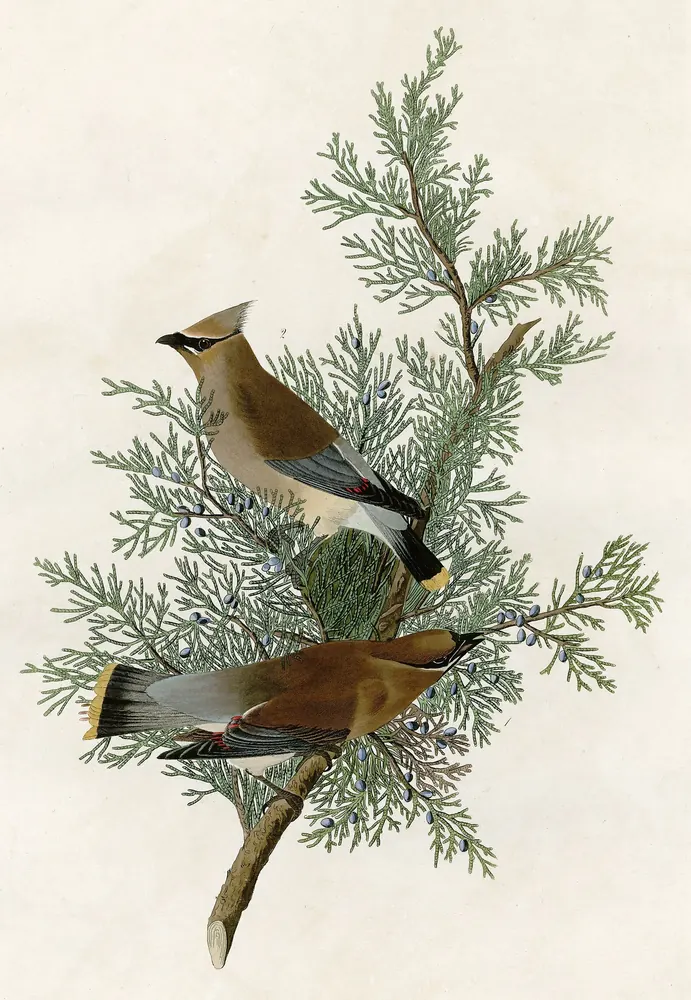
Cedar Waxwing: the generous friend
You're happiest with friends around, and whatever you have, you share.
Cedar Waxwings are sociable in every season, and it's rare to see just one, says National Audubon's guide. (National Audubon Society)
Now and then a row of waxwings on a branch passes a berry back and forth from bill to bill. (National Audubon Society)
Cedar Waxwing painting and facts · Painting: John James Audubon, The Birds of America (1827–38)
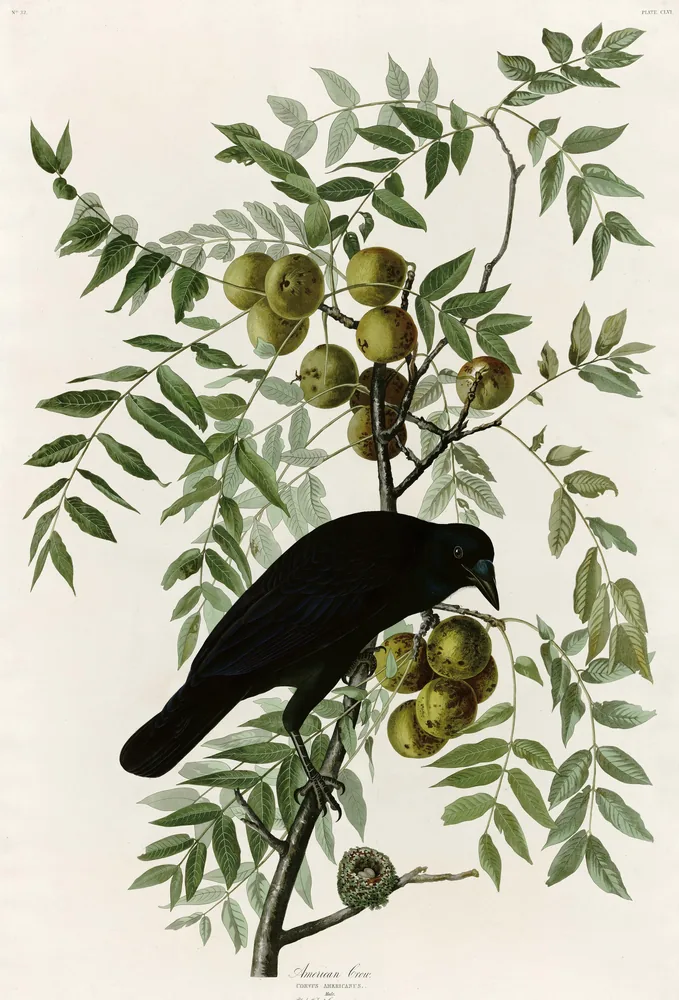
American Crow: the problem-solver
You're clever, practical and close to your family, and you fit in anywhere.
Crows are thought to be among our most intelligent birds, says National Audubon's guide. (National Audubon Society)
A nesting pair may have “helpers,” their own young from earlier years, and crows are adapting to towns and even cities, now often nesting in city parks. (National Audubon Society)
American Crow painting and facts · Painting: John James Audubon, The Birds of America (1827–38)
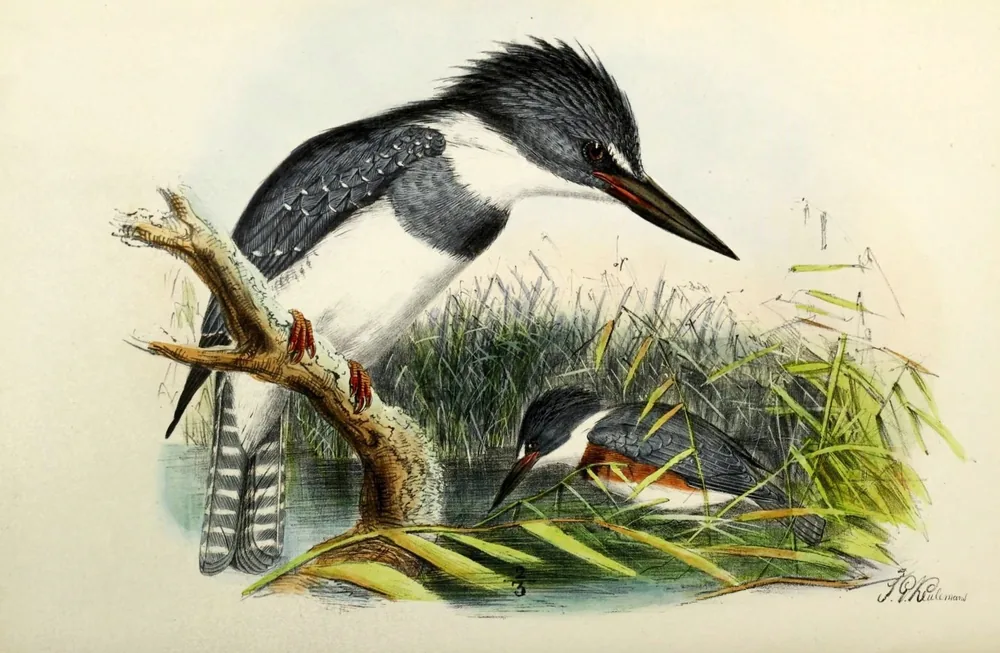
Belted Kingfisher: the independent spirit
You say what you think, you do things yourself, and you go in headfirst.
A Belted Kingfisher is often noticed first by its loud rattling call, which it gives at any disturbance or territory dispute, says National Audubon's guide. (National Audubon Society)
It plunges headfirst into the water for fish, and a pair digs its own nest: a long tunnel into a bank, preferably a sandy one, with a room at the end. (National Audubon Society)
Belted Kingfisher painting and facts · Painting: John Gerrard Keulemans, R. B. Sharpe's A Monograph of the Alcedinidae (1868–71)
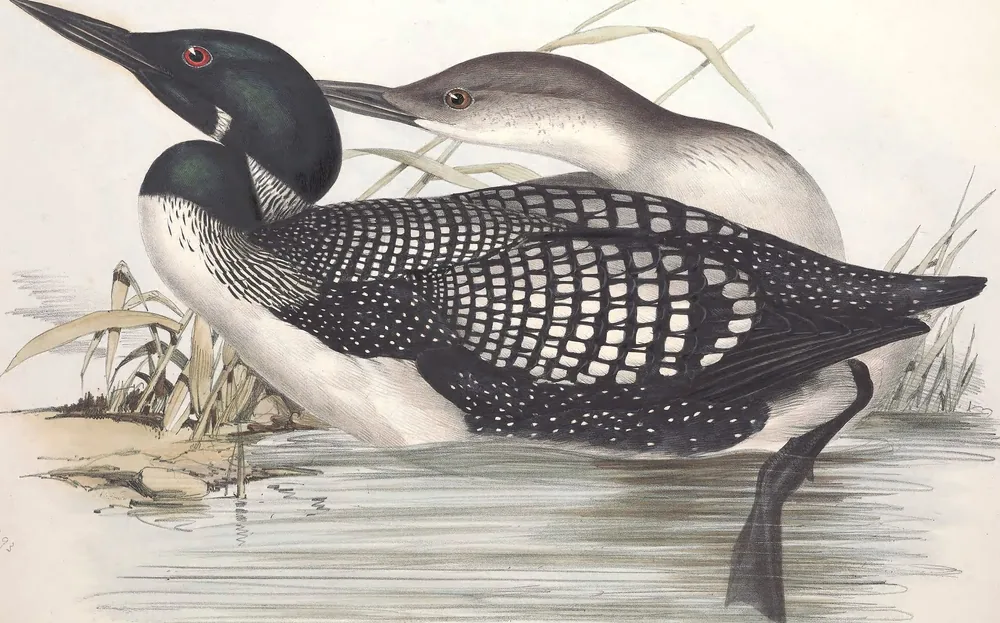
Common Loon: the quiet soul
You love open water and still evenings, and you take a while to get going, but once you're up, you fly.
Loons are heavier than most water birds, so they take off by flapping hard and running across the water, and they choose lakes big enough to do it, says the National Park Service at Acadia. (National Park Service)
Their yodels and haunting calls, heard by day or night, are classic sounds of early summer, notes National Audubon's guide. (National Audubon Society)
Common Loon painting and facts · Painting: John and Elizabeth Gould, The Birds of Europe (1832–37)
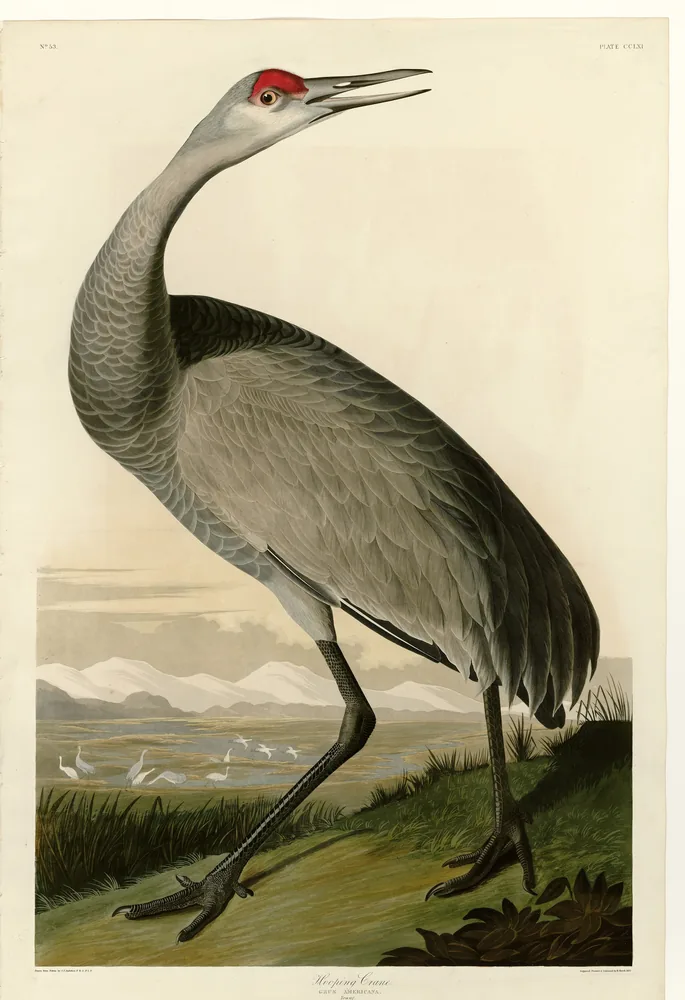
Sandhill Crane: the dancer
You're first on the dance floor and the heart of every family gathering.
Sandhill Cranes court with an elaborate dance, spreading their wings and leaping into the air while calling, says National Audubon's guide. (National Audubon Society)
Young cranes stay with their parents for 9 to 10 months and migrate with them, and in early spring more than a quarter of a million may gather on Nebraska's Platte River at one time. (National Audubon Society)
Sandhill Crane painting and facts · Painting: John James Audubon, The Birds of America (1827–38)
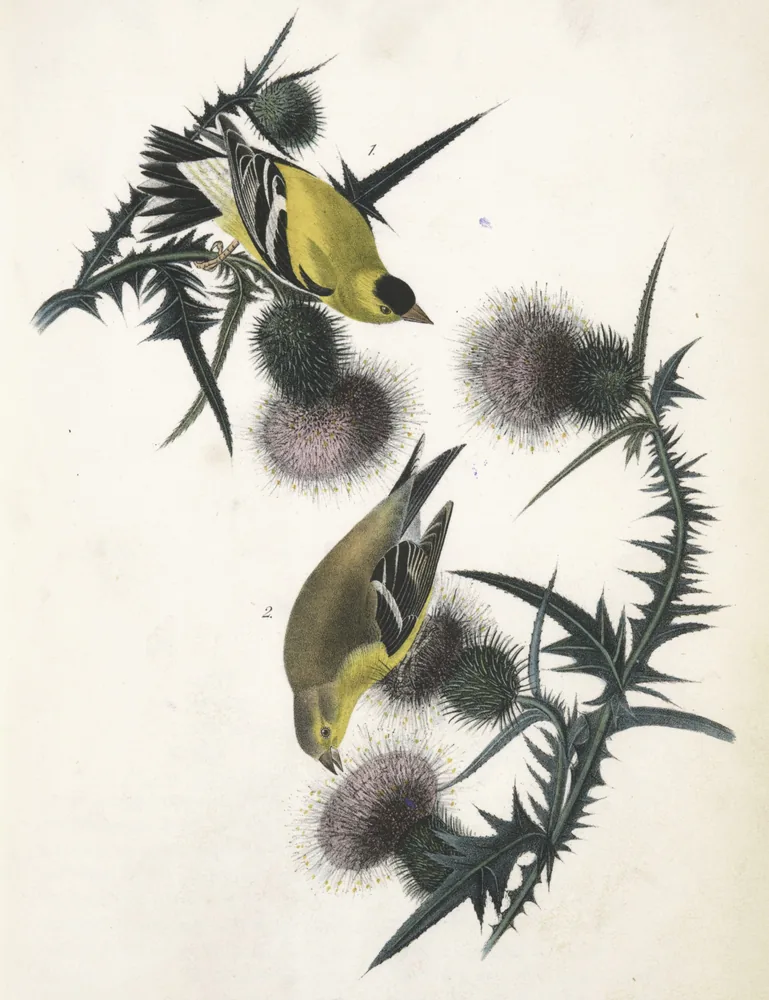
American Goldfinch: the late bloomer
You're easygoing and cheerful, you love a garden, and you do things in your own good time.
In many areas American Goldfinches nest late, mostly in July and August, says National Audubon's guide, in a cup made partly of plant down, especially from thistles. (National Audubon Society)
They eat mostly seeds, even feeding their young on them, and outside the nesting season they usually forage in flocks. (National Audubon Society)
American Goldfinch painting and facts · Painting: John James Audubon, The Birds of America (1840–44)
What bird am I?
To find out what bird you are, answer the 10 questions above: the quiz adds up your answers and matches you to one of 14 real North American birds whose habits fit yours, from the homebody Northern Cardinal to the far-flying Ruby-throated Hummingbird. The result appears right on the page, with no account and no email address, and with a picture you can share.
Every result comes with what the real bird does, where we read it, and a link to its classic paintings. Rather test your eye? Our bird quiz shows a classic painting and asks you to name the bird.
What are the four bird personality types?
The four bird personality types are Dove, Owl, Peacock and Eagle, from the DOPE personality test, a short questionnaire about how people work, talk and lead. It is about people, not birds: the birds are only labels.
In RichardStep’s version, Doves are the peacemakers who value harmony and loyalty, Owls the analytical thinkers who like data and accuracy, Peacocks the enthusiastic connectors who liven up a room, and Eagles the natural leaders who make the tough calls and push for results. Its publisher offers it for team-building, hiring, schools and youth groups, and calls it “Level 1” self-science that “won’t replace a clinical assessment” (RichardStep).
Two of those birds are in this quiz as real birds, and they don’t fit the labels. A real Bald Eagle is as much a homebody as a leader: a pair mates for life and can add to the same nest for years. A real Great Horned Owl hunts mostly at night and typically nests in an old nest another big bird built.
What are some personality traits of a bird?
Birds show many of the traits we call personality in people: some are bold and some shy, some sociable and some loners, some loud and some quiet. Scientists find it in single birds, too. In a study in Ecology Letters, reported by Audubon in 2013, Oxford researchers let wild great tits, small songbirds, into a room of perches and rated each from shy to bold by how it explored. Shy birds usually joined flocks of other shy birds, while bold ones flitted between several flocks and mixed with many other birds (Audubon).
Kinds of birds have their habits too, and those are what this quiz matches you to: Cedar Waxwings are rarely seen alone, mockingbirds attack cats that come too near their nests, Great Blue Herons stand still until a fish swims close, and Belted Kingfishers rattle at any disturbance.
How the results work
Each answer counts toward three birds: 2 points for the bird it fits best and 1 point each for two more. After 10 questions, the bird with the most points is yours. On a tie, the bird that was the best fit of more of your answers wins, then the one your later answers named. Every bird is the best fit of two or three answers, so across every possible way to answer, each of the 14 comes up between about 6 and 8 times in 100.
The personalities are for fun. The facts under them aren’t: each comes from the page linked after it, from National Audubon’s guide, the National Park Service, the Smithsonian’s National Zoo or the Pennsylvania Game Commission, all read on November 20, 2026. The paintings are by John James Audubon, Louis Agassiz Fuertes, John Gerrard Keulemans, Edward Lear, John Gould and Elizabeth Gould, the same classic plates our books print. Your answers stay in your browser and are never saved or sent; we only count how often each bird comes up. The picture to share is made on your device.
Birdfolio prints a birder’s life list as a book, each species beside a classic painting like the ones in this quiz. Look inside a Birdfolio.