2024 split
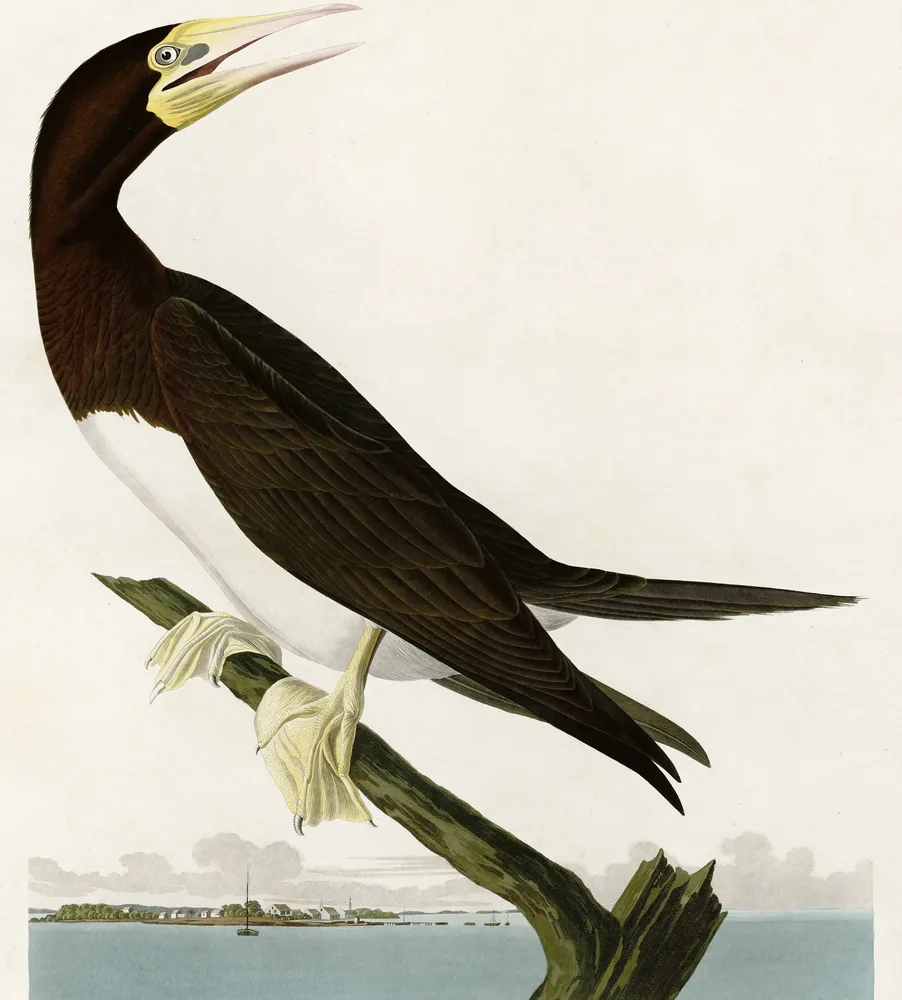
Brown Booby split: the West Coast bird is Cocos Booby
In 2024 Brown Booby became two species. Boobies off California and western Mexico are now Cocos Booby; Brown Booby stays the bird of the Atlantic, the Gulf and the Caribbean.
Updated
What changed
The Atlantic, the Gulf of Mexico and the Caribbean, including Florida and the Gulf coast.
The eastern Pacific, off western Mexico. The boobies seen off California are this species.
Who decided, and when
- American Ornithological Society (AOS): the 65th Supplement to its Check-list of North American birds
- American Birding Association (ABA): added Cocos Booby to the ABA Checklist
- eBird and the Clements Checklist: its 2024 taxonomy update
- AviList, the shared world checklist: agrees, with the same names
Which one did you see?
Go by coast first: off California and western Mexico it's Cocos Booby; in the Gulf, the Atlantic and the Caribbean, Brown Booby.
Adult males differ the most. A Cocos Booby male has a whitish head; a Brown Booby's head is all dark brown. Females and young birds are harder to tell apart.
What it does to your list
If you have seen boobies both on the Pacific side and in the Gulf, the Atlantic or the Caribbean, your total goes up by one.
If you have only seen them off California, your Brown Booby is now Cocos Booby.
Check your own list. Drop your eBird download or type your birds: the free checker shows which of them this and other recent changes touched.
Check my list